

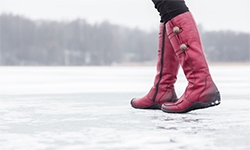

Cold-weather boots protect feet from the elements, but for individuals with hammertoes, they can cause significant discomfort. Narrow, stiff boots increase compression and friction, worsening redness, swelling, and soreness in the toes. Here’s why winter footwear often aggravates hammertoes and how consulting an orthopedic specialist can help relieve pain and protect foot health.
Why Winter Footwear Worsens Hammertoe Pain
Hammertoes occur when the middle joint of a toe bends downward, forming a claw-like appearance. Winter boots often exacerbate this deformity because their rigid structure and narrow toe boxes compress the toes, increasing friction and irritation. Stiff soles restrict natural toe movement, while high boot shafts or tight laces can push toes forward, intensifying discomfort. The combination of pressure and limited mobility explains why pain is often more noticeable in colder months.
Recognizing Hammertoe Pain in Winter Boots
Symptoms of aggravated hammertoes can range from mild aches to sharp, persistent pain. Individuals may notice swelling, redness, or the development of corns and calluses on top of the joints. Pain may also affect walking, balance, and posture as the foot shifts weight to compensate. Early recognition of these signs is key to preventing worsening deformities and avoiding chronic joint problems.
How to Alleviate Hammertoe Discomfort
Managing hammertoe pain while wearing winter boots begins with choosing footwear wisely. Boots with a wide toe box and flexible soles reduce pressure and allow toes to move naturally. Supportive inserts, cushioned pads, or gel sleeves can minimize friction and help redistribute weight across the foot. Avoiding boots with excessively high heels and alternating with more accommodating shoes during the day can further relieve strain. Implementing these strategies can make winter footwear more comfortable and protect toe health.
When to Seek Professional Care
If discomfort persists despite footwear adjustments, it may be time to consult an orthopedic specialist. A foot and ankle surgeon can evaluate the severity of hammertoes, recommend custom orthotics, and discuss minimally invasive or surgical treatment options. Early professional intervention can prevent deformities from worsening, improve mobility, and enhance overall foot function.
Maintaining Healthy Feet Through the Winter
With the right strategies, hammertoes don’t have to make winter boots uncomfortable. Understanding how footwear affects toe joints, recognizing early signs of irritation, and using supportive devices can greatly reduce discomfort. Book an appointment with Dr. Dean, a board-certified orthopedic foot and ankle specialist, to receive expert care and enjoy winter with healthy, comfortable feet.
AUTHOR: Daniel Dean, MD is a board-certified and fellowship-trained foot and ankle orthopaedic surgeon. He treats all musculoskeletal pathologies of the foot and ankle in adolescent and adult patients. He has specialized training in total ankle arthroplasty, sports injuries, flatfoot, complex fractures, and minimally invasive techniques in bunion correction.


