

The word "bunion surgery" still conjures images of a long incision, weeks on crutches, and a recovery that derails an entire season of activity. That reputation is outdated for many patients. A newer generation of surgical techniques corrects the same underlying bone deformity through incisions small enough to close with a single stitch, often allowing patients to walk the same day. Learn how this shift actually works, and who is a good candidate for the procedure.
What's Actually Happening Inside a Bunion
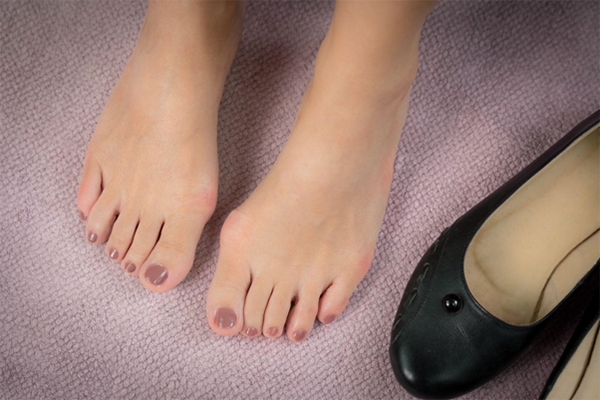
A bunion is not simply a bump on the side of the foot. It is a structural shift of the first metatarsal bone, the long bone behind the big toe, which drifts outward while the toe itself angles inward toward the others. Left untreated, this misalignment tends to progress gradually, often becoming more painful and harder to correct the longer it goes unaddressed. Correcting it surgically, whether through traditional or minimally invasive technique, requires precisely cutting and repositioning that metatarsal bone, known as an osteotomy, to restore proper alignment.
The Difference Comes Down to Access, Not the Correction Itself
Traditional bunion surgery typically requires a single incision of several centimeters along the side of the foot, allowing the surgeon to directly visualize the bone while cutting and repositioning it and securing it with plates or screws. Minimally invasive bunion correction achieves the same structural realignment through two or three incisions only a few millimeters long, using a small burr and real-time X-ray imaging to guide the correction without ever fully opening the surgical site. The bone work accomplishes the same goal. The path to get there disturbs far less of the surrounding tissue.
Why Less Soft Tissue Disruption Changes the Recovery Experience after Bunion Surgery
Reduced soft tissue trauma is the mechanism behind nearly every advantage associated with the minimally invasive approach. A systematic review and meta-analysis comparing the two techniques found that minimally invasive surgery was associated with shorter operative time and reduced complication rates compared to open osteotomy approaches, while achieving comparable radiographic correction of the bunion deformity.1 Less disruption to skin, soft tissue, and the joint capsule generally translates to less postoperative swelling and bruising, which is a meaningful part of why many patients tolerate the early recovery period more comfortably.
Walking Sooner Without Sacrificing the Correction
One of the most appreciated practical benefits of minimally invasive technique is the ability to bear weight earlier, often in a protective post-operative shoe immediately or shortly after surgery, rather than relying on crutches or a knee scooter for weeks. This does not mean the underlying bone heals faster. Bone healing still follows its own biological timeline regardless of surgical approach. What changes is the patient's ability to move around safely and comfortably while that healing takes place, which often makes the weeks immediately following surgery considerably more manageable.
Not Every Bunion Is a Candidate for the Minimally Invasive Approach
Severity matters. Mild to moderate bunion deformities are generally well suited to minimally invasive correction, while more severe or complex deformities, particularly those involving significant joint instability at the base of the foot, may still be better served by an open approach or a procedure designed specifically to address three-dimensional instability. Bone quality, prior foot surgery, and the specific pattern of the deformity all factor into which technique gives the most durable, reliable correction for an individual patient. This is a decision that depends on a careful evaluation of imaging and exam findings, not personal preference for a smaller scar alone.
Choosing the Right Approach for Your Foot
Smaller incisions and faster early recovery are real, evidence-supported advantages of minimally invasive bunion surgery, but they are not universal guarantees, and they are not the only factor that determines a good outcome. The right procedure is the one matched to the specific severity and structure of your bunion.
If bunion pain has been affecting your daily activity or footwear choices, an evaluation that weighs both traditional and minimally invasive options against your specific deformity is the most reliable way to choose the right path forward.
Frequently Asked Questions
1. How long does recovery take after minimally invasive bunion surgery? Many patients are able to bear weight in a protective shoe soon after surgery, with a noticeably shorter early recovery period compared to traditional open bunion surgery, though full bone healing still takes several weeks regardless of technique.
2. Is minimally invasive bunion surgery as effective as traditional surgery? Research comparing the two approaches has found comparable correction of the bunion deformity on imaging, along with shorter operative time and fewer complications associated with the minimally invasive technique.
3. Can all bunions be treated with minimally invasive surgery? No. Mild to moderate bunions are generally good candidates, but more severe deformities or those involving joint instability may require an open approach or a different surgical technique for a durable correction.
4. Will minimally invasive bunion surgery leave a visible scar? The incisions used in minimally invasive technique are only a few millimeters long, typically resulting in significantly less visible scarring compared to the longer incision used in traditional bunion surgery.
5. What is the difference between a bunionectomy and minimally invasive bunion correction? Both procedures correct the same underlying bone deformity by repositioning the first metatarsal bone, but minimally invasive correction does so through small incisions using a burr and X-ray guidance rather than a single larger incision and saw.
Reference Links:
AUTHOR: Daniel M. Dean, MD – Board-Certified Foot & Ankle Orthopaedic Surgeon
Daniel M. Dean, MD is a board-certified, fellowship-trained foot and ankle orthopaedic surgeon who specializes in the comprehensive treatment of musculoskeletal conditions affecting the foot and ankle in adolescents and adults. He is dedicated to building meaningful relationships with his patients and developing personalized treatment strategies that support their individual goals, lifestyles, and long-term mobility.
Credentials & Recognition
Dr. Dean graduated with honors from the University of Notre Dame before earning his medical degree from Northwestern University. He completed his orthopaedic surgery residency at Georgetown University Hospital, followed by advanced fellowship training in foot and ankle surgery at the Mercy Medical Center - Institute for Foot and Ankle Reconstruction.
Dr. Dean has authored numerous peer-reviewed publications and has presented foot and ankle research at national and international scientific meetings, reflecting his commitment to advancing orthopaedic knowledge and improving patient outcomes.
Clinical Expertise
Dr. Dean treats a wide range of foot and ankle conditions, including total ankle arthroplasty, sports-related injuries, flatfoot deformity, complex fractures, and minimally invasive bunion correction. His approach emphasizes individualized care plans that align treatment decisions with each patient’s functional needs, recovery goals, and overall quality of life.
Medical Disclaimer: This information is for educational purposes only and does not constitute medical advice. For diagnosis and treatment recommendations, please consult with Dr. Dean.


