


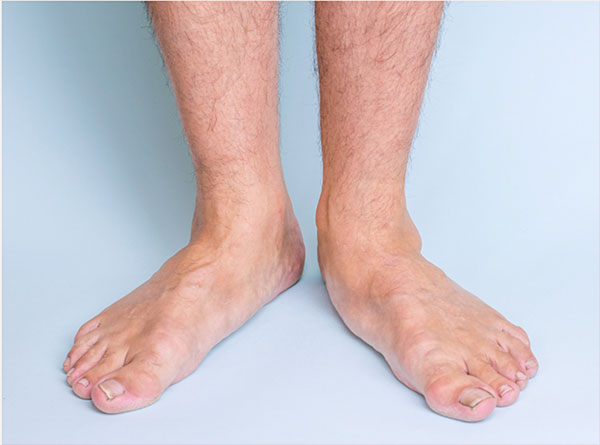
You notice it gradually. Shoes that used to fit start rubbing in new places, your feet ache after standing in line at the grocery store, and eventually someone mentions the word "flatfoot" like it explains everything. A collapsed arch, medically known as adult acquired flatfoot, can feel like a life sentence of fusion surgery and stiff joints. The truth is more encouraging, and it starts with understanding exactly what is happening inside your foot.
What Actually Causes an Arch to Collapse
The arch of your foot is not just a shape, it is a functional structure held up by a network of tendons, ligaments, and bones working together under load with every step you take. The posterior tibial tendon plays a starring role in this system, running along the inside of the ankle and helping support the arch while walking. When that tendon becomes inflamed, stretched, or torn over time, often from years of repetitive stress, the arch gradually loses its support and begins to flatten.
This condition tends to develop slowly rather than appearing overnight, which is part of why so many people dismiss early symptoms as simple foot fatigue. By the time the arch has visibly collapsed, the underlying tendon and ligament damage has usually been building for months or years.
Fusion Surgery Isn't the Only Answer
For decades, severe flatfoot deformity was treated primarily with fusion surgery, permanently joining the bones of the foot to eliminate motion at the collapsed joints. Fusion can be effective, but it comes with real trade-offs, including a longer recovery, permanent loss of joint flexibility, and increased stress placed on neighboring joints that now have to compensate for the fused segment.
The encouraging development in foot and ankle care is that fusion is no longer the only option. Reconstructive techniques have advanced to the point where many patients with flatfoot deformity, particularly when caught before the joints become rigid and arthritic, can have their arch rebuilt using motion-preserving procedures instead.
How Reconstructive Techniques Rebuild the Arch Without Fusing Joints
Flexible flatfoot reconstruction typically combines several techniques rather than relying on one single fix. A damaged posterior tibial tendon may be repaired or augmented with a nearby healthy tendon to restore its supporting function. Surgeons often perform a calcaneal osteotomy, carefully repositioning the heel bone to correct alignment and shift weight-bearing forces back toward a more natural pattern. In some cases, a bone graft or wedge is added to lengthen the outer column of the foot, further restoring the arch's shape.
Because this approach addresses the soft tissue and bony alignment problems directly, rather than eliminating joint motion altogether, patients generally retain more natural foot mechanics afterward. This matters for long-term comfort, since a foot that still moves the way it was designed to tends to place less stress on the ankle, knee, and hip over the years that follow.
Who Is a Candidate for Arch Reconstruction Without Fusion
Not every collapsed arch is a candidate for motion-preserving surgery. The key factor is flexibility. If the foot's misalignment can still be manually corrected, meaning the deformity has not yet become rigid, reconstructive options are usually on the table. Once arthritis sets in and the joints become fixed in their collapsed position, fusion may become the more reliable path to relieving pain.
This is exactly why early evaluation matters so much. Ignoring nagging arch or ankle pain in hopes that it resolves on its own often allows a flexible, reconstructible deformity to progress into a rigid one. A thorough exam, along with weight-bearing X-rays and sometimes an MRI to assess tendon quality, helps determine which category a patient falls into before treatment even begins.
Non-Surgical Steps That Come First
Surgery is rarely the first step for a collapsing arch. Most patients start with conservative measures, including custom orthotics to redistribute pressure, bracing to support the tendon during daily activity, targeted physical therapy to strengthen the muscles supporting the arch, and activity modification. For patients with underlying inflammation contributing to tendon breakdown,regenerative medicine approaches are increasingly used to support tendon healing before considering more invasive options.
For patients whose flatfoot developed from a sports-related injury or repetitive strain from athletic activity, addressing the issue through sports injuries and trauma care early can sometimes prevent the kind of progressive tendon damage that leads to a fully collapsed arch later on. Similarly, patients dealing with related ankle pain and instability alongside their arch symptoms often benefit from a combined treatment approach that addresses both issues together.
Frequently Asked Questions
Can a flat foot be fixed without fusing the joints?
Yes, in many cases. If the deformity is still flexible, reconstructive techniques such as tendon repair and bone realignment can restore the arch while preserving natural joint motion, avoiding the need for fusion.
What is the difference between flexible and rigid flatfoot?
A flexible flatfoot can still be manually corrected into a more normal arch position, while a rigid flatfoot has become fixed in its collapsed shape, usually due to arthritis, and typically requires fusion surgery instead of reconstruction.
How do I know if my flat feet need surgery?
Persistent pain along the inside of the ankle, visible progressive flattening of the arch, difficulty standing on your toes, or pain that does not improve with orthotics and physical therapy are signs it is time for an orthopedic evaluation.
How long is recovery after flatfoot reconstruction surgery?
Recovery varies depending on the specific procedures performed, but most patients spend several weeks in a cast or boot without bearing weight, followed by a gradual return to normal footwear and activity over three to six months.
Can adult acquired flatfoot get worse if left untreated?
Yes. Without treatment, the posterior tibial tendon can continue to deteriorate, allowing the arch to progressively collapse further and potentially become rigid, which narrows the available treatment options to more invasive surgery.
A collapsed arch does not have to mean permanent joint fusion, especially when the problem is caught early. If you have noticed your arch flattening or persistent pain along the inside of your foot and ankle, an evaluation with a foot and ankle specialist can help determine which treatment path, surgical or otherwise, is the right fit for you.
AUTHOR: Daniel M. Dean, MD – Board-Certified Foot & Ankle Orthopaedic Surgeon
Daniel M. Dean, MD is a board-certified, fellowship-trained foot and ankle orthopaedic surgeon who specializes in the comprehensive treatment of musculoskeletal conditions affecting the foot and ankle in adolescents and adults. He is dedicated to building meaningful relationships with his patients and developing personalized treatment strategies that support their individual goals, lifestyles, and long-term mobility.
Credentials & Recognition
Dr. Dean graduated with honors from the University of Notre Dame before earning his medical degree from Northwestern University. He completed his orthopaedic surgery residency at Georgetown University Hospital, followed by advanced fellowship training in foot and ankle surgery at the Mercy Medical Center - Institute for Foot and Ankle Reconstruction.
Dr. Dean has authored numerous peer-reviewed publications and has presented foot and ankle research at national and international scientific meetings, reflecting his commitment to advancing orthopaedic knowledge and improving patient outcomes.
Clinical Expertise
Dr. Dean treats a wide range of foot and ankle conditions, including total ankle arthroplasty, sports-related injuries, flatfoot deformity, complex fractures, and minimally invasive bunion correction. His approach emphasizes individualized care plans that align treatment decisions with each patient’s functional needs, recovery goals, and overall quality of life.
Medical Disclaimer: This information is for educational purposes only and does not constitute medical advice. For diagnosis and treatment recommendations, please consult with Dr. Dean.
Content authored by Dr. Daniel M. Dean and verified against official sources.


