

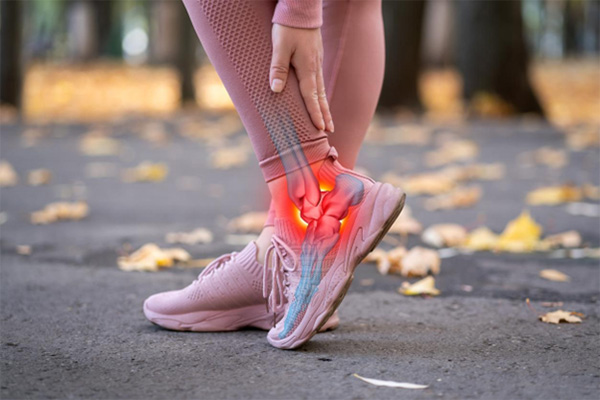
You lace up your favorite sneakers, head to the gym, and push through another workout only to limp home with throbbing heels, aching arches, or sore toes. Sound familiar? Millions of active adults dismiss this kind of foot pain as a normal side effect of exercise, when in fact the real culprit is often sitting right on the shoe rack. Here is what your workout shoes may be doing to your feet, and what you can do about it.
The Wrong Shoe for the Wrong Activity
Not all athletic shoes are created equal. Running shoes are engineered for forward motion and heel-to-toe cushioning. Cross-trainers prioritize lateral stability. Court shoes offer a flat, grippy sole for quick direction changes. When you run five miles in a court shoe or take a HIIT class in a worn-out running shoe, your foot absorbs forces it was never meant to handle in that position. Over time, this mismatch creates cumulative stress on bones, tendons, and ligaments.
How Poor Shoe Support Leads to Heel Pain
One of the most common complaints among active people is heel pain, particularly the sharp, stabbing sensation felt with the first steps of the morning. This is a hallmark sign of plantar fasciitis, an inflammation of the thick band of tissue running along the bottom of the foot. Workout shoes with inadequate arch support or overly flexible soles force the plantar fascia to work harder with every step, eventually leading to microtears and chronic irritation. Cushioning alone is not enough; the shoe needs to provide structured support specific to your foot type.
The Link Between Tight Toe Boxes and Forefoot Problems
Athletic shoes designed more for style than function often feature narrow, tapered toe boxes that compress the toes together. Over months and years of regular wear, this compression can accelerate the development of bunions, a progressive bony deformity at the base of the big toe that causes pain, swelling, and difficulty with footwear. Hammertoes, a condition where one or more toes curl abnormally downward, are also commonly aggravated by shoes that crowd the forefoot. When conservative measures like wider footwear no longer provide relief, minimally invasive surgical correction is sometimes the most effective path forward.
Worn-Out Shoes and the Risk of Stress Fractures
Most runners replace their shoes based on mileage guidelines, but many people wear athletic shoes well past their functional lifespan without realizing it. Once the midsole cushioning breaks down, the foot loses its primary shock-absorbing buffer. This places repetitive, concentrated force on the metatarsal bones, which can eventually develop stress fractures, tiny cracks that start as a dull ache and worsen with continued activity. Stress fractures are frequently missed or mistaken for muscle soreness, and continuing to train on them significantly increases recovery time.
Ankle Instability and the Shoes That Make It Worse
Low-cut athletic shoes with minimal ankle support can be a contributing factor for people who already have a history of ankle sprains. Repeated sprains that go untreated or under-treated often lead to chronic ankle instability, a condition where the ligaments no longer provide adequate stability during movement. Activities like trail running or court sports in unsupportive footwear place these already-compromised ligaments under repeated stress. Addressing instability early, through targeted rehabilitation or, when necessary, reconstructive surgery, prevents the cycle from continuing.
Frequently Asked Questions About Shoes and Foot Pain
Can wearing the wrong workout shoes cause long-term foot damage?
Yes. Wearing shoes that do not match your foot type, activity, or gait pattern can cause lasting damage over time. Conditions like plantar fasciitis, stress fractures, bunions, and chronic ankle instability can all develop or worsen as a direct result of improper footwear. Some of these conditions eventually require surgical intervention if caught late.
How often should I replace my athletic shoes?
Most athletic shoes should be replaced every 300 to 500 miles for running shoes, or every 6 to 12 months for general gym use, depending on frequency and intensity. Once the midsole feels compressed or the heel counter collapses, the shoe is no longer providing adequate support regardless of how it looks on the outside.
What type of shoe is best for people with flat feet?
People with flat feet generally benefit from motion-control or stability shoes that provide firm arch support and limit excessive inward rolling of the foot, known as overpronation. A gait analysis performed by a foot and ankle specialist can help identify the right shoe category and whether custom orthotics are needed in addition to proper footwear.
Can tight shoes cause bunions?
Tight shoes do not directly cause bunions, but they accelerate their progression in people who are already predisposed to the condition. Narrow toe boxes force the big toe inward repeatedly, which worsens the deformity over time and increases pain. Switching to wider, more supportive footwear is one of the first steps in managing bunion symptoms conservatively.
When should foot pain from exercise prompt a visit to a doctor?
Foot pain that persists beyond a few days of rest, worsens with continued activity, is localized to a specific point, or is accompanied by swelling or bruising warrants a professional evaluation. Pain that disrupts your normal gait or prevents you from bearing weight should be assessed promptly, as delayed diagnosis of conditions like stress fractures or tendon injuries can significantly complicate recovery.
Your workout shoes are a direct interface between your body and the ground beneath it. Choosing the right pair for your foot type and activity, replacing them on schedule, and paying attention to early warning signs of pain can prevent a minor nuisance from becoming a serious injury. Your feet carry you through every workout, every walk, and every step of daily life; they deserve the same attention you give the rest of your training.
Reference Links:
- How To Pick the Right Running Shoes - Cleveland Clinic
- How To Find the Best Walking Shoes - Cleveland Clinic
AUTHOR: Daniel M. Dean, MD – Board-Certified Foot & Ankle Orthopaedic Surgeon
Daniel M. Dean, MD is a board-certified, fellowship-trained foot and ankle orthopaedic surgeon who specializes in the comprehensive treatment of musculoskeletal conditions affecting the foot and ankle in adolescents and adults. He is dedicated to building meaningful relationships with his patients and developing personalized treatment strategies that support their individual goals, lifestyles, and long-term mobility.
Credentials & Recognition
Dr. Dean graduated with honors from the University of Notre Dame before earning his medical degree from Northwestern University. He completed his orthopaedic surgery residency at Georgetown University Hospital, followed by advanced fellowship training in foot and ankle surgery at the Mercy Medical Center - Institute for Foot and Ankle Reconstruction.
Dr. Dean has authored numerous peer-reviewed publications and has presented foot and ankle research at national and international scientific meetings, reflecting his commitment to advancing orthopaedic knowledge and improving patient outcomes.
Clinical Expertise
Dr. Dean treats a wide range of foot and ankle conditions, including total ankle arthroplasty, sports-related injuries, flatfoot deformity, complex fractures, and minimally invasive bunion correction. His approach emphasizes individualized care plans that align treatment decisions with each patient’s functional needs, recovery goals, and overall quality of life.
Medical Disclaimer: This information is for educational purposes only and does not constitute medical advice. For diagnosis and treatment recommendations, please consult with Dr. Dean.
Content authored by Dr. Daniel M. Dean and verified against official sources.


